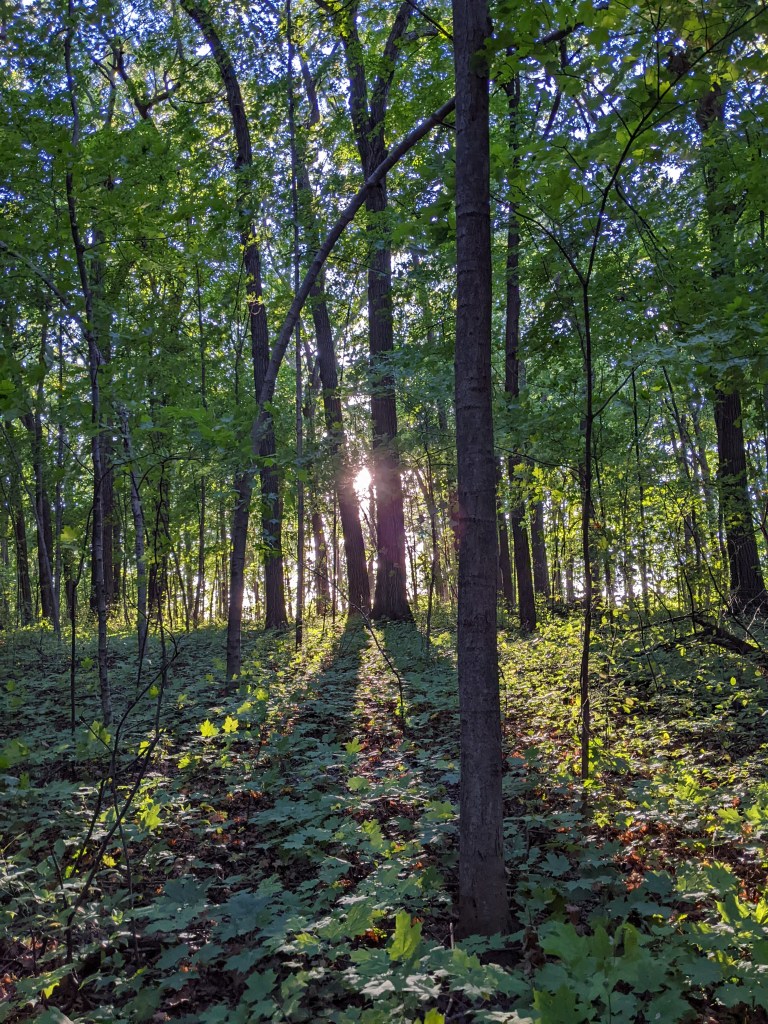
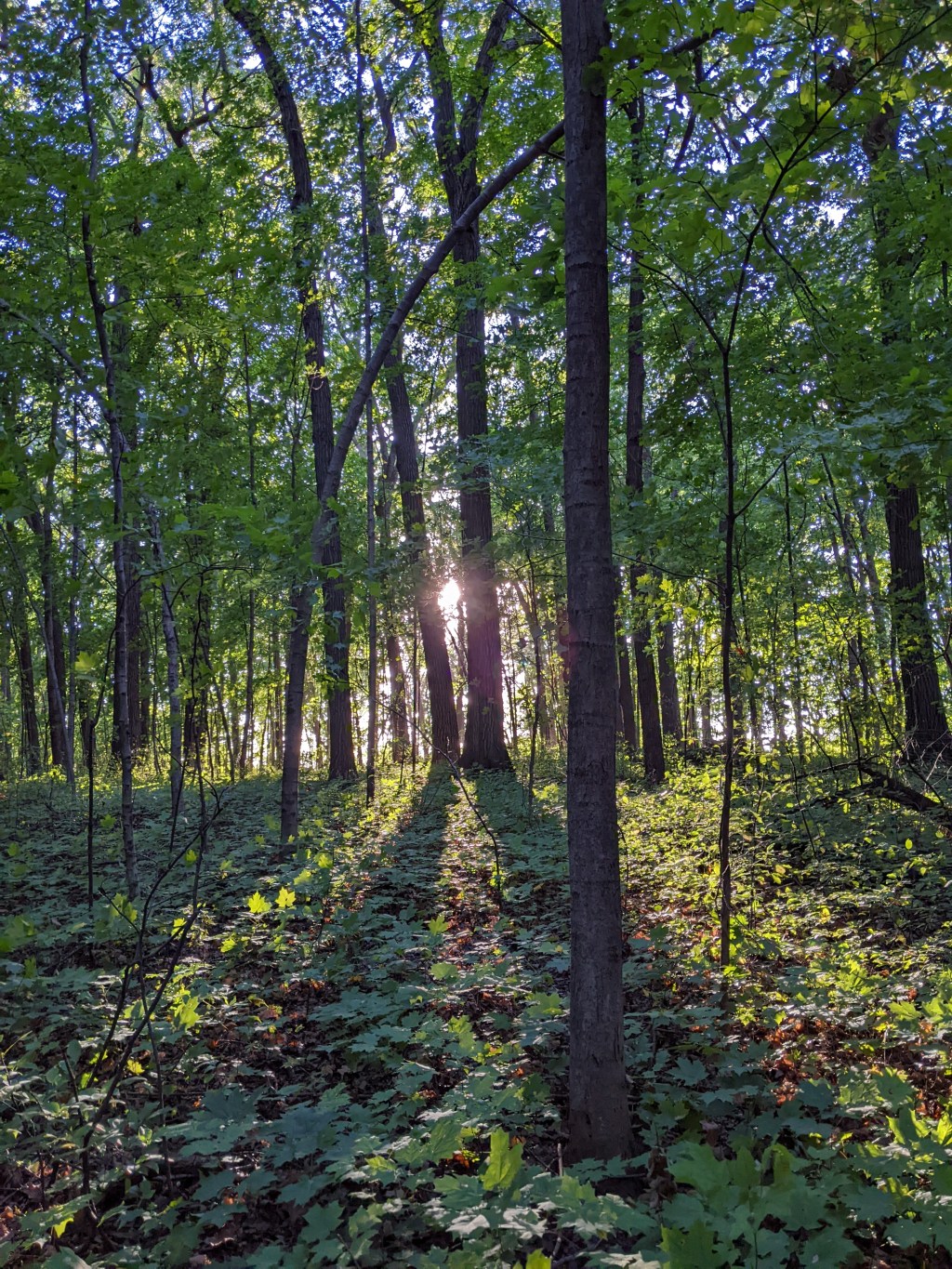
You may have heard of forest and nature therapy, also called forest bathing or shinrin-yoku, but you might not know what it is. At its heart, the practice involves spending time mindfully in nature, usually the forest, engaging all of your senses. As it’s defined today, forest therapy is a fairly new concept that began in Japan in the 1980s, but its roots go back to before humans were humans.
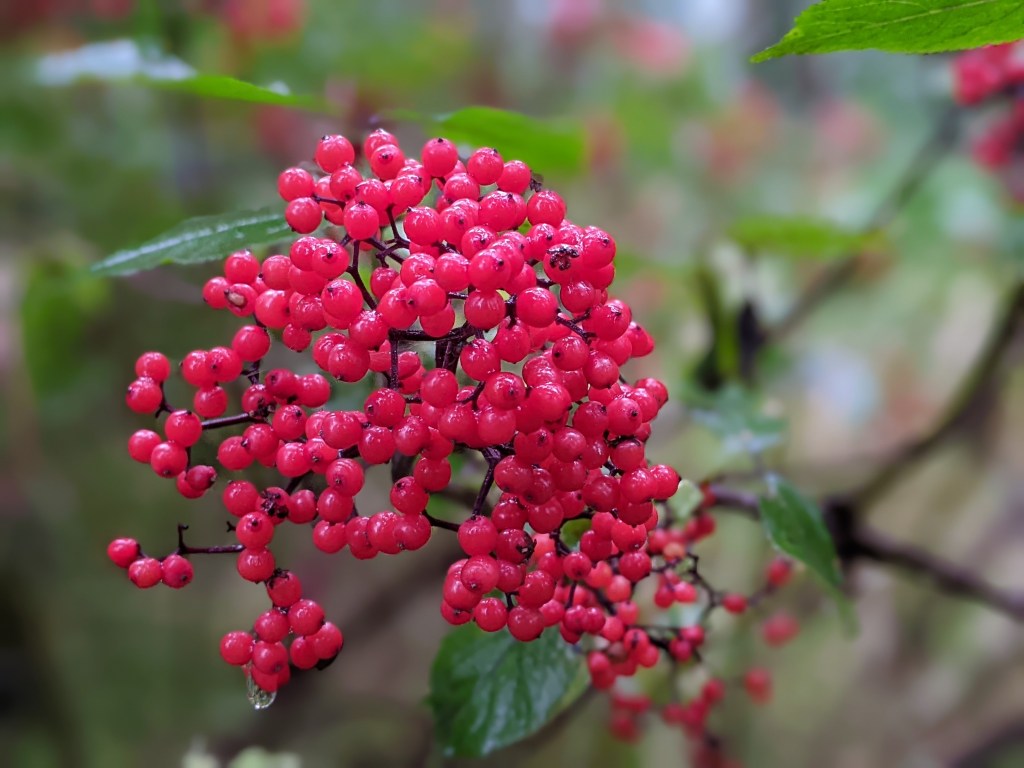
Our ancestors evolved largely in a forest environment. There is plenty of evidence to support this, including the fact that humans, and our closest evolutionary kin, can see the color red. This ability allowed our distant ancestors to spot the ripest fruits and youngest, most tender leaves in a dense forest.
Fossil remains of other members of our family tree also point to a life lived in and among trees. Even a toddler known as the Dikika child, who lived more than 3.3 million years ago, would have been adept at scrambling up a trunk. And a study in 2016 suggested that the famous Lucy, a member of Australopithecus afarensis, a species likely ancestral to us, spent her life in the trees and died after falling out of one.
But there’s something more subtle that speaks of our deeply ancient connection to the forest, our first home.
Think about the last time you ventured into the woods, or even when you brought a Christmas tree into your home. What did it smell like? That fresh, alive, somehow deeply comforting tree scent. It’s more than a familiar smell. You’re getting a whiff of phytoncides, volatile organic compounds that many plants produce to keep themselves healthy. Coniferous species, as well as oaks and even garlic are among the many plants that produce phytoncides to thwart a variety of microbes, insects, and other would-be invaders.
And this is where it gets really interesting. It’s also where forest therapy comes in.
When humans inhale phytoncides, it boosts our immune systems. Breathing in phytoncides stimulates the production and activity of NK white blood cells, which are basically the human immune system’s first responders. They show up when something is wrong and get to work fixing it.
Researchers believe that the human immune system has this reaction to phytoncides because our ancestors evolved among the trees, and in sync with them. And we seem to know that instinctively. A 2023 study suggested that exposure to phytoncides reduced the psychological stress of cancer survivors. In addition to boosting the immune system, the mere scent of the forest seemed to provide a sense of comfort and well-being.
There have been many other lines of inquiry into the benefits of forest therapy, with studies showing that spending time in nature, specifically in the forest, can reduce symptoms of depression and anxiety, lower blood pressure, improve sleep, and reduce self-criticism and increase self-compassion, among other benefits.
(My fellow autoimmune peeps, don’t let all this talk of boosting the immune system worry you. There is no evidence that phytoncides increase autoimmunity. In fact, a recent small but intriguing study suggested that exposure to phytoncides may actually balance immune systems that are out of whack.)
Additional research is underway in other areas, too, including exploring whether forest therapy can benefit people with neurological conditions including dementia, stroke, and Parkinson’s.
In the 1980s, before many of these benefits had even been quantified, Japanese doctors began prescribing shinrin-yoku, or forest bathing, for stressed-out patients. There are countless other traditions that emphasize the value of spending time in nature, particularly the forest, from the green spaces intentionally planned for cities in ancient Persia to the old German quest for Waldeinsamkeit, or the “solitude of the forest,” often an intensely spiritual experience.
And for millennia, among the culturally diverse traditions of Indigenous communities in the Americas, Australia, and elsewhere, there is a common thread of appreciation for what the forest gives, and our responsibility as a part of that web of life.
It’s important that forest and nature therapy never be purely about how we benefit. Yes, Western science has uncovered myriad ways that spending time in nature can improve our physical and mental health. But perhaps the greatest gift of being in nature is that it reminds us we belong there. It is our first home, and it’s been a part of us far longer than fast food, rapid transit, or the internet.
When we accept what nature offers us, we accept the responsibility of our role in our first home. Spending time in nature has been shown to foster a deeper connection to it, and often an interest in becoming more knowledgeable about conservation, the climate crisis, and other environmental issues.
It may be that the way we save ourselves and the planet is by first going home.
 Forest Creature MKE